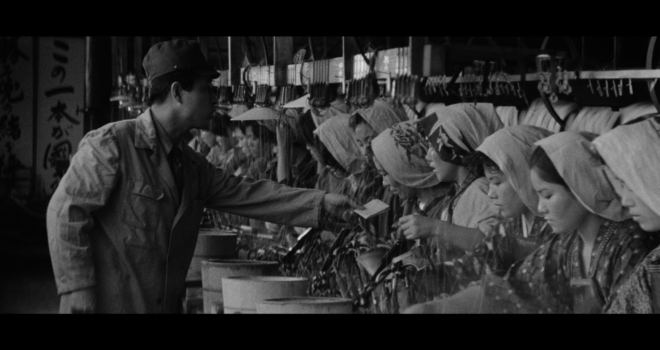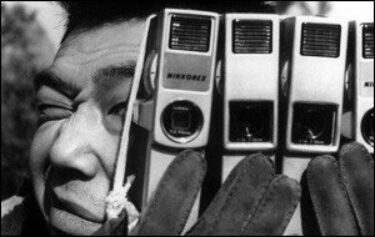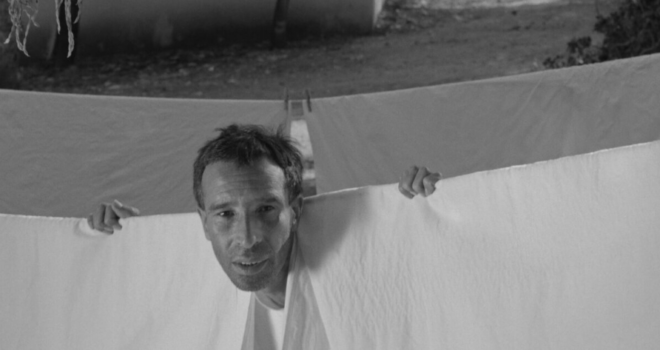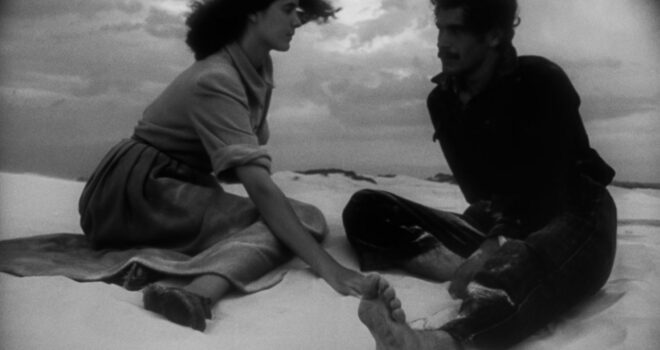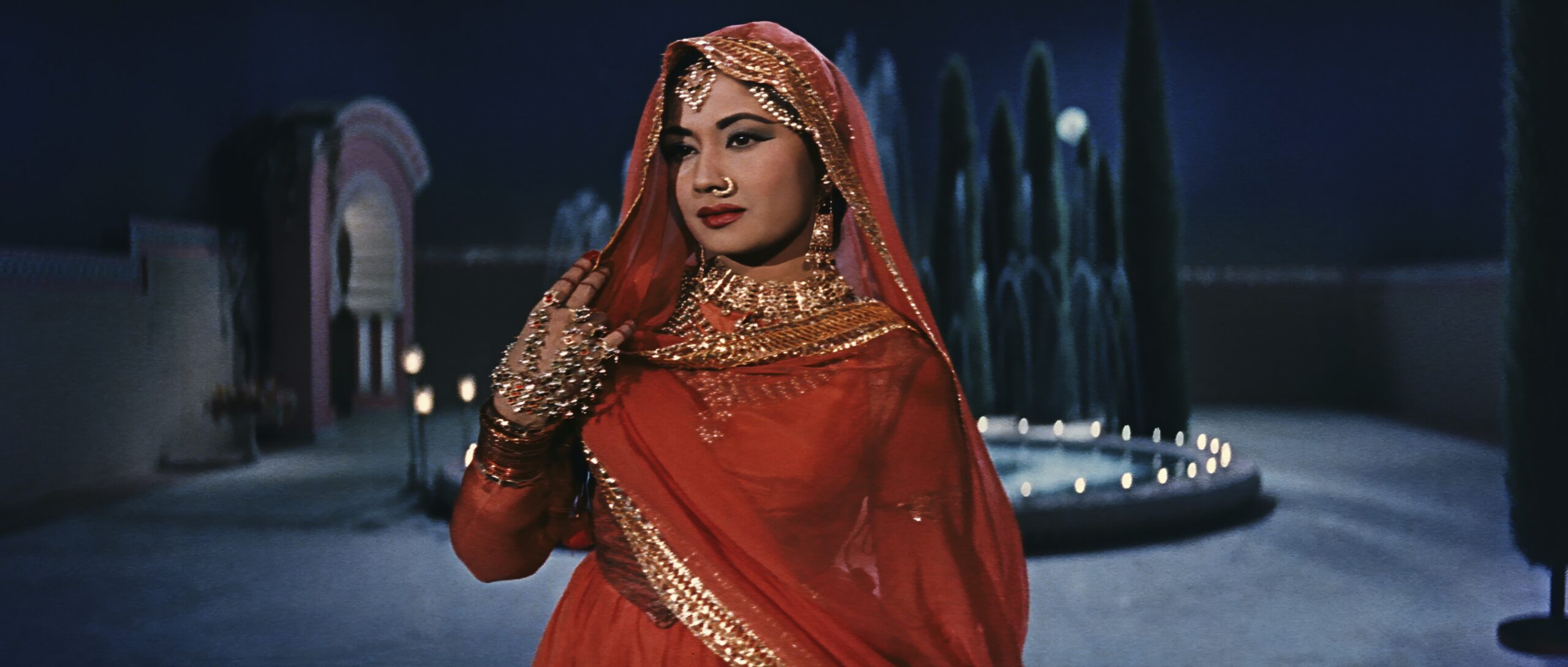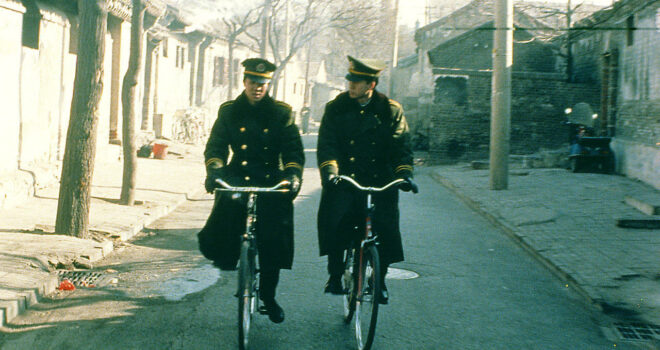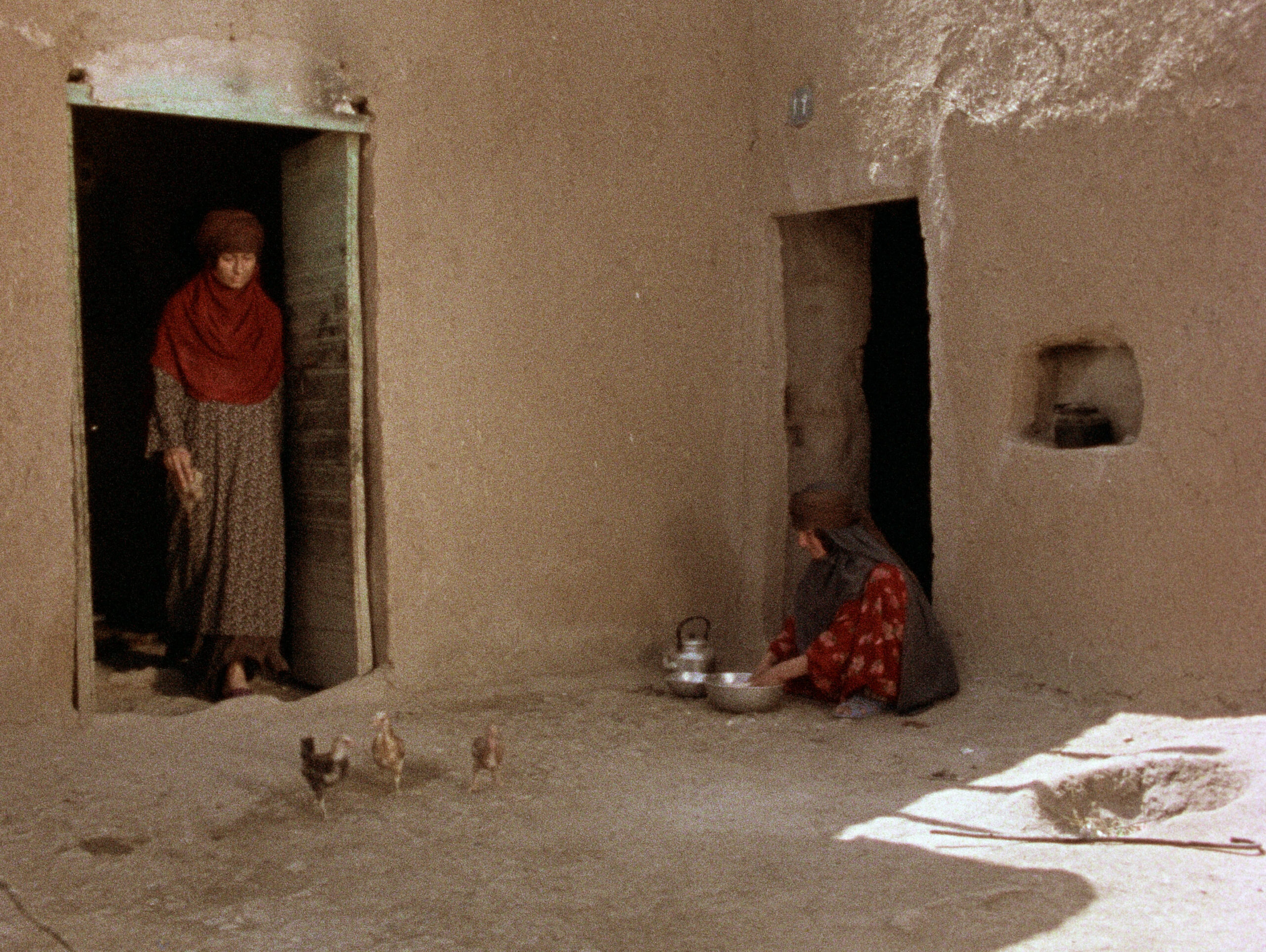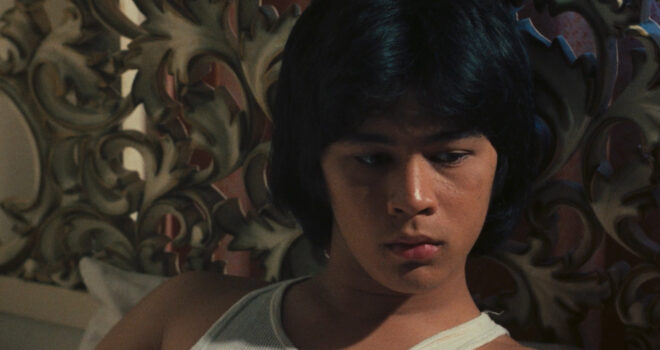
The Festival des 3 Continents supports the work of cinematheques, archives and foundations that bring new life to films that have become fragile, forgotten or inaccessible. With Le Passé au présent, we present a selection of recently restored works, by both renowned filmmakers and others who have remained on the margins of official film history. From Brazil to Japan, via Morocco and the Philippines, these films extend the festival’s mission to discover and share the world’s cinematic heritage: rediscovering films also means reshaping the landmarks of our film history.
Read the editorial
There are some films that, without disappearing, are no longer visible. Damaged copies, interrupted distribution, limited access to collections – they continue to exist discreetly, far from screens and audiences. Film libraries, foundations, national archives and rights-holders are striving to preserve these works and open them up to the public. While the primary concern for restorative work is to address the fragility of the film medium, it also raises much broader challenges: saving the films from obliteration, putting them back into circulation and updating what we know about the cinematic traditions they represent. In “The Past Here and Now”, the Festival des 3 Continents brings together recently restored films from Brazil, Japan, Iran, Morocco and the Philippines, and their reappearance broadens the scope of what we can see, think and transmit.
Some of these works are by acclaimed filmmakers, whereas others have remained on the sidelines of the standard narratives. Several have never stopped being seen in their home country but have rarely been accessible beyond national borders, where the inequalities of film distribution also come into play. The purpose of bringing them together is not to complete a pantheon or abstractly remedy omissions in the history of cinema. It is rather to show the diversity of trajectories, forms and heritages. This is, however, at the salutary risk of challenging the established hierarchies, as a work that reappears does not simply take its place in a known landscape, it can also change its contours, reveal unexpected linkages and upend the categories we use to identify different cinemas.
Restoration brings cinema face to face with its physical properties. Images do not escape the passage of time; recorded on perishable media, they are subject to wear and tear, accidents, conservation conditions and neglect. Preserving them requires resources, know-how and choices that are the responsibility of their custodians. Retrieving a film’s visual and sound qualities means working with the extant materials, available knowledge and technical capabilities, without confusing restoration and reconstitution, nor erasing the traces of its history. Far from mechanically returning the film to its original state, the intervention gives it a new form of presence. Decisions come into play, and this reminds us that conservation is never an entirely neutral matter: it also determines what will eventually reach us.
However, the preserved images still need to make their way back to the screen. A restored copy can remain unseen by the public, confined in archives or reserved for few circles of experts. Festivals, film libraries and cinema theatres play a foremost role to play here: not only do they continue the conservation work, but they also return works to their original purpose as films, meaning their encounter with audiences. Being screened wrests them from a role that time could otherwise have been assigned to them – that of simply bearing witness to history. Conservation restores a sensory power to their forms, movement to their narratives and the images’ capacity to inspire emotion and reflection. Heritage only comes to life when it is not reduced to becoming the object of retrospective deference.
These films resist begin confined to their own epoch. They carry the conflicts, imaginaries and blind spots of their age, and their forms continue to shape our perceptions. The way in which they frame bodies, inhabit a landscape or portray social relationships may today take on an unexpected resonance; a film once considered familiar can reveal previously unnoticed aspects. Rediscovery is not always a revelation: it may confirm a resistance, reveal limits or incite disagreement. Its richness lies in this very uncertainty, in the possibility that the film may thwart our expectations rather than confirm them. The history of cinema does not boil down to a succession of films and established reputations. It shifts depending on visibility of films, the interconnections we make and the questions that each age asks them.
This is why restoration involves a new state of play. Not the semblance of a past restored intact, but the reopening of a relationship between the works and the present. The past is no longer simply passed down: it becomes active material once again, capable of impacting our understanding of cinema and the world.
With “The Past Here and Now” programme, the Festival des 3 Continents continues its commitment to furthering the discovery and sharing of cinematic heritage. The selection in no way gives the recovered works an automatic value: it puts them in relation to each other, confronts them with our gaze and enables us to share the experience of their differences. Encountering these films means broadening the memory of cinema without claiming to bring it to a close, recognising that its contours also depend on what becomes visible once again. Their return does not only reinstate a former place, it creates a new place in a present where images of the past still have the power to move us, with everything unexpected and unfinished they conserve.
Jérôme Baron