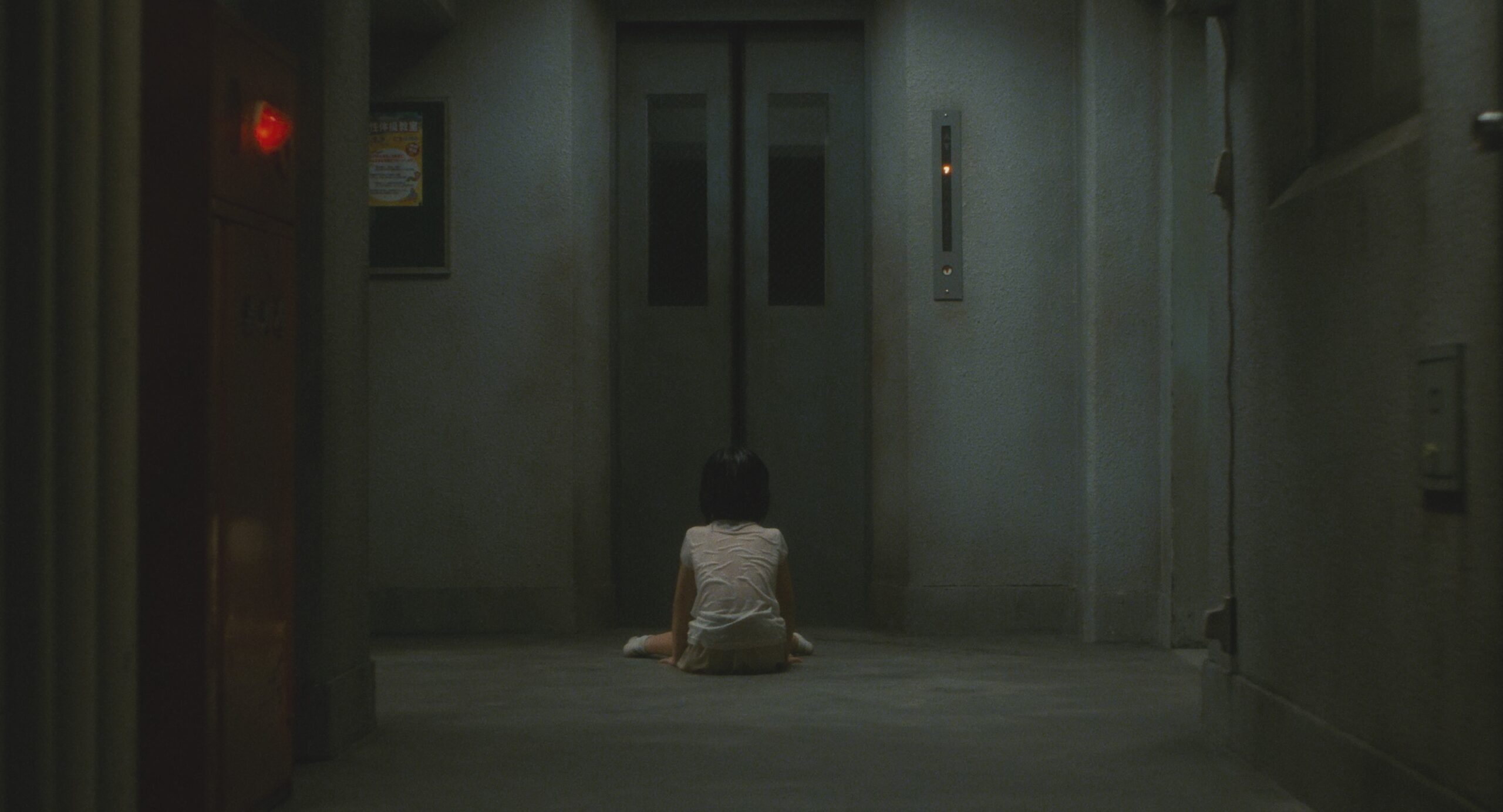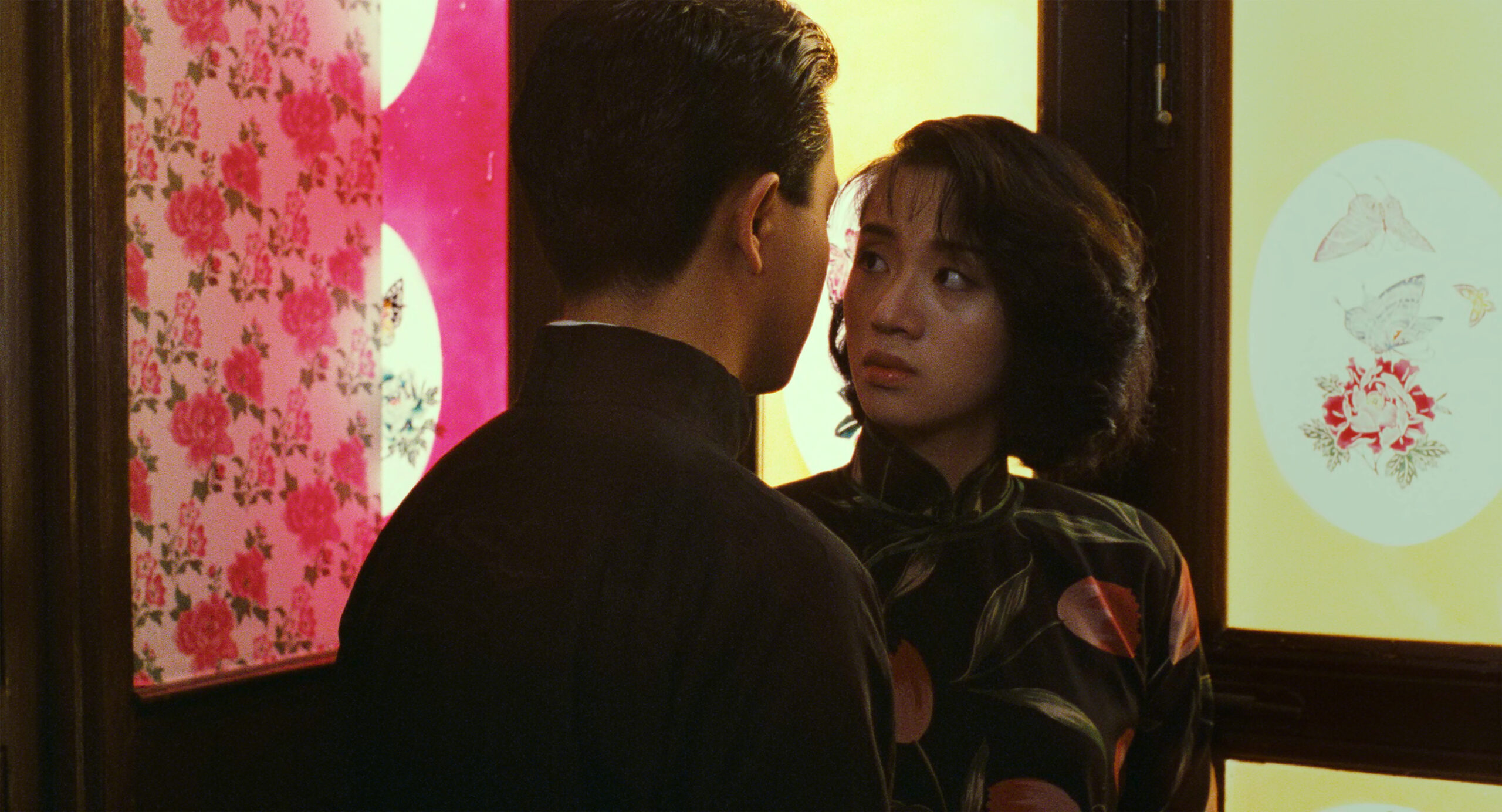
Ghosts, the departed, the dead who linger in the memories of the living: La Vie des fantômes brings together films in which ghosts bring back to the surface what refuses to disappear. From Tokyo to Dakar and Mexico City, these presences unsettle the boundaries between reality and imagination, past and present, the intimate and collective history. From Hideo Nakata’s Dark Water (2002) to Mati Diop’s Atlantics (2019) and Hayao Miyazaki’s Spirited Away (2002), ghosts are reinvented throughout a cinematic journey in which film gives shape to all that continues to haunt us.
Read the editorial
Why ghosts?
Why does cinema love ghosts so much? Are they just another indication of its predilection for the supernatural? Or could it be a deeper consequence of the nature of the cinematic image itself? Since cinema was first invented, it has recorded bodies destined to disappear; it conserves gestures, faces and, later, voices that continue to be seen and heard even though those they belong to have aged or passed away. In fact, each shot contains a disturbing contradiction: it captures the living but in the form of an already spectral survival. Filming always means in some way bringing things back to life.
The ghost then appears less like a simple character than like a secret property of cinema itself. It surges up at moments when a presence floats between several states – neither fully embodied, nor totally dissolved. Some filmmakers have understood this and portray phantoms not as monsters but as fragile intensities, vibrations of time, the emotional persistence of a being, a place or a memory in the present of the image. The ghost then becomes less a narrative figure than cinema’s way of revealing the survival of a past at the very heart of the present. It thus prompts us to think of memory not as a fixed state of conservation but as an unstable return: something that insists, becomes warped, haunts and silently continues to inhabit the world.
The relationship with ghosts becomes intimate precisely because it shapes the vacillating frontier between presence and absence. An immobilised photograph, cinema restores to those absent a duration, a movement, sometimes even a breath. In the unfolding images, there is something reminiscent of a discreet séance: shadows come to life, cross the screen, repeat the same gestures endlessly without ever managing to join the world of the living. The screen then becomes less a surface of representation than a fragile threshold where different times are superimposed. Perhaps this is why so many ghost films speak less of death itself than of time. The ghost incarnates what does not pass, what remains suspended, unfinished, what people or history refuse to abandon. Through the ghost, cinema broaches a deeply human experience: living life surrounded by invisible presences — memories, regrets, desires, the departed — that silently continue to shape how we perceive the present.
Finally, in our fascination with ghosts we find a paradoxical way of overcoming fear. Cinema provides a protected space where we willingly let unease take hold of us. The ghost does not terrify us simply because it is threatening; it captivates us because it materialises vague apprehensions: disappearance, abandon, the return of the past. Faced with these uncertain presences, the spectator experiences the ambiguous pleasure of coming closer to what eludes them. Scaring yourself then becomes an almost childlike experience: opening a forbidden door while knowing that an image, a screen, always maintains a distance from the unknown.
Jérôme Baron