
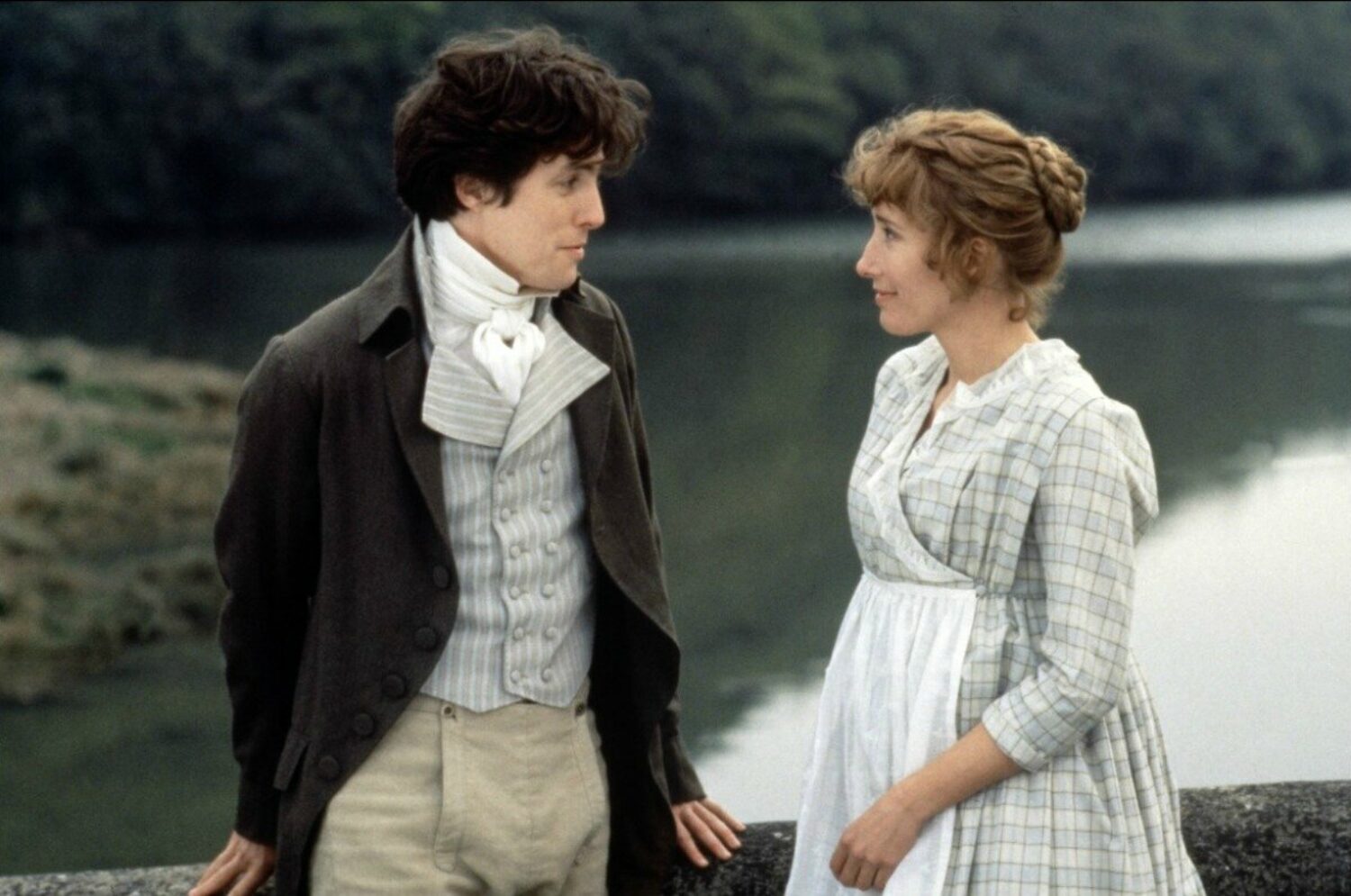
Following his trilogy on the Chinese family unit, Ang Lee shifts his inquiring gaze to Jane Austen’s England, continuing with Sense and Sensibility his exploration of belonging and inheritance. Whereas his earlier films confronted generations, the polished surface of this story is but a veneer of decorum — befitting a world where economic logic and social norms shape emotions while leaving out all morality.
Here lies an entire grammar of feeling: the way emotion is born and has to adjust itself and negotiate the weight of codes, rank, and even words. The film’s formal classicism functions both as a mask and a revealer: beneath the apparent balance of decorum and the restraint of tone runs a persistent question — how can genuine feeling survive in a world governed by self-interest?
Jérôme Baron
Home > Films > Raison et sentiments
Raison et sentiments
(Sense and Sensibility)
by Ang LEE
- United Kingdom
- United States
- Asie
- 1995
- Fiction
- Couleur
- 136′
- English
- Titre français
Raison et sentiments - Original title
Sense and Sensibility - Scénario
Jane AUSTEN, Emma THOMPSON - Photo
Michael COULTER - Montage
Tim SQUYRES - Son
Steve HAMILTON, Reilly STEELE - Musique
Patrick DOYLE - Interprétation
Emma THOMPSON, Kate WINSLET, Hugh GRANT, - Production
Columbia Pictures, Mirage Enrterprises - Distribution
Sony Pictures Releasing France - Support de projection
DCP - Ratio
1:85